The U.S. broadband industry is undergoing one of its most transformative moments. With billions in federal funding through programs like BEAD, growing investment from private equity firms, and national initiatives to accelerate the adoption of artificial intelligence, communities nationwide are preparing for an unprecedented wave of projects.
This momentum doesn’t just mean faster internet connections—it also means thousands of new career opportunities for people ready to design, build, and maintain the networks of the future.
Why Broadband Careers Are Booming
Broadband is now essential infrastructure, just like roads, power, and water. New investment is driving:
- Network construction in underserved and rural areas
- Upgrades to legacy copper systems and expansion of modern fiber networks
- Ongoing maintenance to keep services reliable
- Capacity expansion to support AI-driven applications in healthcare, education, and business
The scale of this activity is already putting pressure on providers to deliver projects quickly and efficiently. That demand translates into more jobs across every stage of the broadband lifecycle—from planning and permitting to customer installations.
According to the Fiber Broadband Association, the U.S. will need over 200,000 new jobs in fiber broadband deployment over the next five years to meet demand. This includes construction crews, engineers, and field technicians.
In-Demand Roles in Broadband
Broadband careers extend far beyond trenching and cabling. Today’s most sought-after roles include:
- Engineering & Design Specialists – Developing accurate network designs and adapting them to real-world field conditions.
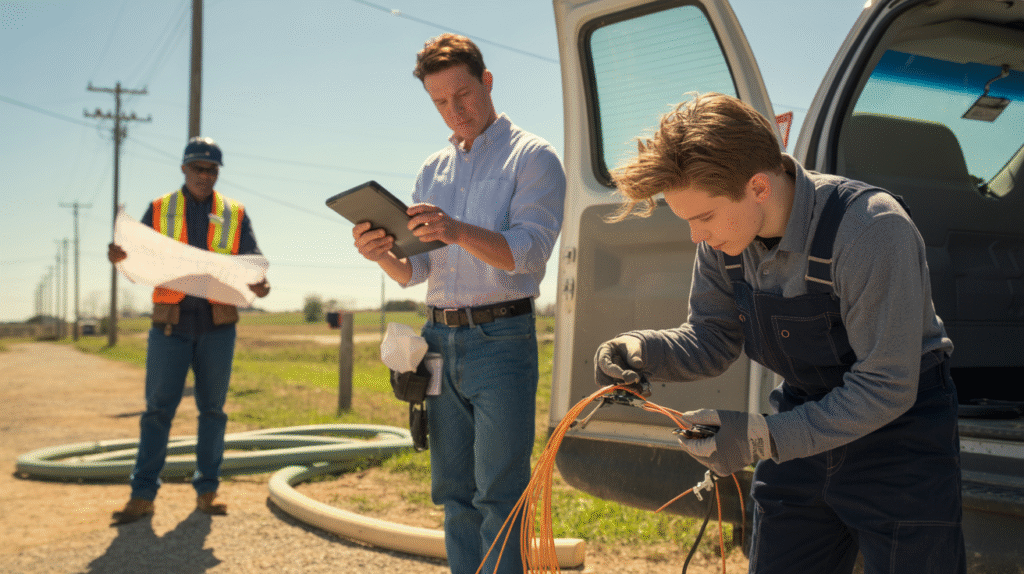
- Construction & Field Technicians – Installing fiber, troubleshooting, and solving on-site challenges.
- Project Managers – Coordinating complex, multi-million-dollar network builds.
- Customer Support & Service Technicians – Ensuring end users get connected and stay connected.
As AI becomes more deeply integrated into daily life, broadband roles will increasingly require professionals who can design and maintain networks capable of supporting the massive data flows AI systems rely on.
Skills That Lead to Success
A career in broadband blends technical expertise with problem-solving and communication. Field conditions often change without warning—like discovering unexpected underground utilities—making adaptability a critical skill for success.
Key Technical Skills:
- Precision engineering and design
- Knowledge of fiber and wireless technologies
- Construction and troubleshooting techniques
- Understanding of network requirements for AI-driven applications
Key Soft Skills:
- Clear communication between teams and contractors
- Ability to adapt quickly to changing conditions
- Strong focus on customer service
How CHR Is Helping Build the Workforce of the Future
The growing demand for broadband professionals makes it more important than ever to create pathways that introduce students to these careers early. CHR Solutions is actively involved in efforts that connect education with industry, ensuring the next generation of workers has the skills and confidence to step into broadband and related fields.
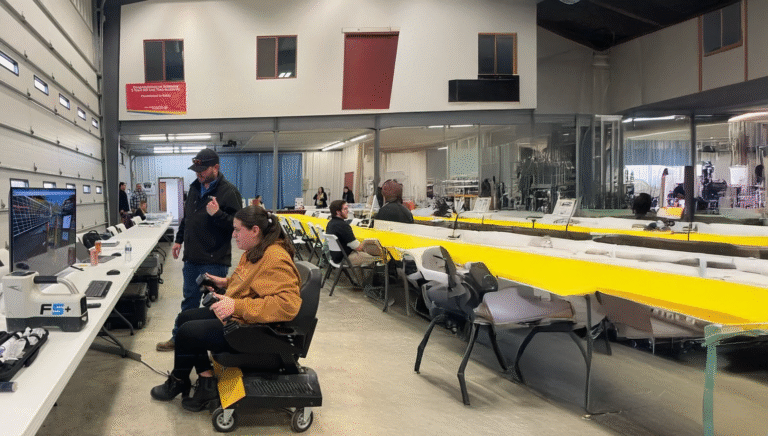
In partnership with Triangle Communications in Montana, CHR has supported Trades Day—a program that introduces high school students to broadband and other career paths critical to rural communities. The event connects students with professionals across engineering, construction, IT, and more, providing exposure to careers they may not otherwise encounter.
Beyond this, CHR’s Dustin Heath, Director of Customer Success – Engineering, plays a leadership role in shaping educational programs to prepare the workforce of tomorrow. He serves on the Academic Advisory Board at Montana State University Northern for both its Civil Engineering Technology program and its Electrician Certificate program. CHR has also donated technology to MSU Northern to enhance hands-on training and insight into the structural engineering of power poles. Dustin advocates for the inclusion of GIS and emerging technologies like drones and LiDAR in university curricula, ensuring students are ready for the networks of the future.
He also sits on the Customer Experience Program Advisory Committee at the University of North Dakota, where he advocates for broadband client and customer needs while collaborating with peers from other industries to bring fresh ideas back to CHR’s customers.
The Future of Broadband Careers
As BEAD funding is released in the coming weeks—and as private equity accelerates broadband investment—the demand for skilled workers will only grow. Add to this the government’s focus on AI innovation, which depends on reliable, high-capacity broadband, and the result is long-term momentum for the industry.
That means:
- Job stability across engineering, construction, and service roles
- Growth opportunities through training and certifications
- Meaningful impact by helping connect communities nationwide and supporting AI
Why Broadband Is a Career Worth Considering
The future of broadband isn’t just about faster internet speeds. It’s about people—the engineers, builders, and service professionals who make digital connectivity possible. And now, with AI creating new pressures for stronger, smarter networks, those careers matter more than ever.
For those seeking a career in a growing industry with long-term opportunities, broadband offers the chance to play a direct role in shaping the future of connectivity.