
Only a few short years ago, our industry struggled. Design processes were bogged down by overcomplicated data handoffs, inefficient workflows, and—worst of all—bad data. But the rise of data-driven GIS changed everything. In a remarkably short time, we’ve gained unprecedented accuracy, efficiency, and confidence in our designs.
When I first started in this field, paper was king—and I’m sure Michael Scott would’ve loved it! We relied on handwritten notes from exhausted field staff, often rushed, messy, and filled with shorthand only they could decipher. Those notes made their way to office staff who tried their best to interpret them for digitization or drafting. The result? Frequent errors caused by a slip of the pen, a spilled cup of coffee, or simply illegible handwriting. These small mistakes would snowball into major problems—or worse, still exist in your system of record today.
Leadership teams fought to make sense of it all, but it was like trying to assemble a puzzle with half the pieces missing.
Then, seemingly overnight, GIS changed the game.
With ArcGIS Field Maps, our field staff and office engineers could finally collaborate in real time, using consistent, standardized data. The confusion vanished—something hours of training and countless Teams calls could never fully fix. Suddenly, we were speaking the same language and playing the same game.
At the same time, ArcGIS Dashboards empowered leadership to track projects from start to finish, whether at a cabinet, market, or even national level. For the first time, we had true visibility—both the micro and the macro view.
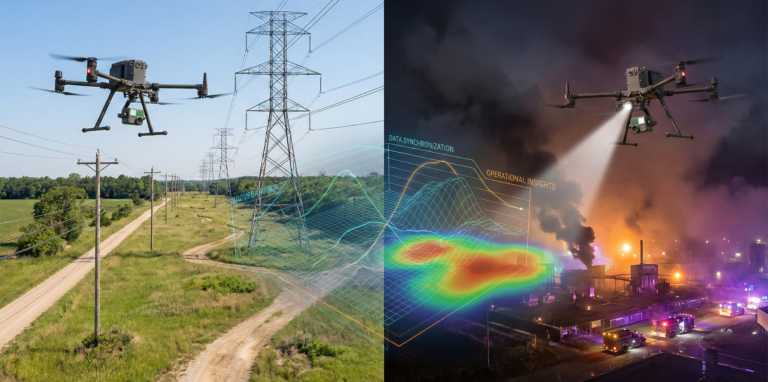
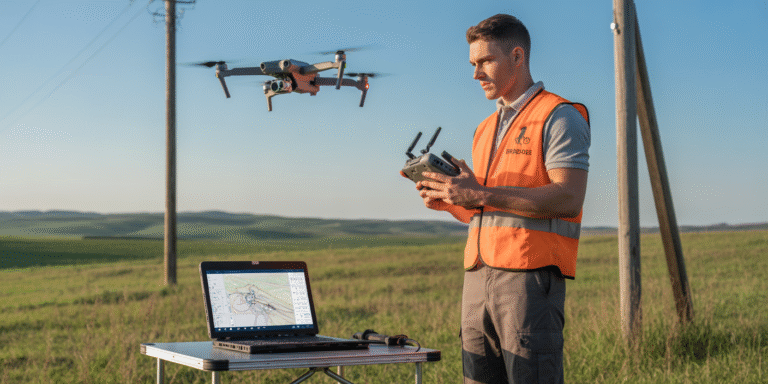
And that was just the beginning. The ability to integrate new data sources—like drone imagery and 3D models—redefined how we work. Automation and standardized workflows elevated both our accuracy and our efficiency. In just five years, GIS helped us reinvent who we are as an organization.
Looking forward, the next five years promise to be even more revolutionary. AI tools are becoming increasingly accessible, and 3D workflows and LiDAR data collection—long used in other industries—are making their way into telecom. The amount of data and tools at our fingertips is staggering. But rather than feeling overwhelmed, I’m excited.
As CHR continues to lead at the forefront of this industry, I get to explore them all—a GIS professional’s dream!
So here’s to GIS Day. Celebrate innovation, collaboration, and the incredible journey from paper to pixels. Go map your passion.